English
 Deutsch


+86-13857999108
With rapid urban expansion, aging populations, and rising demand for flexible transport, personal mobility is undergoing a structural transformation. Instead of traditional bulky assistive vehicles, global buyers are increasingly searching for compact foldable mobility scooter portability test, battery safety certification for travel mobility devices, lightweight electric scooter torque control system, and Lightweight Electric Mobility Scooter. These queries show that decision-makers are now prioritizing portability, safety compliance, and real-world usability in daily environments rather than only motor power or design appearance.
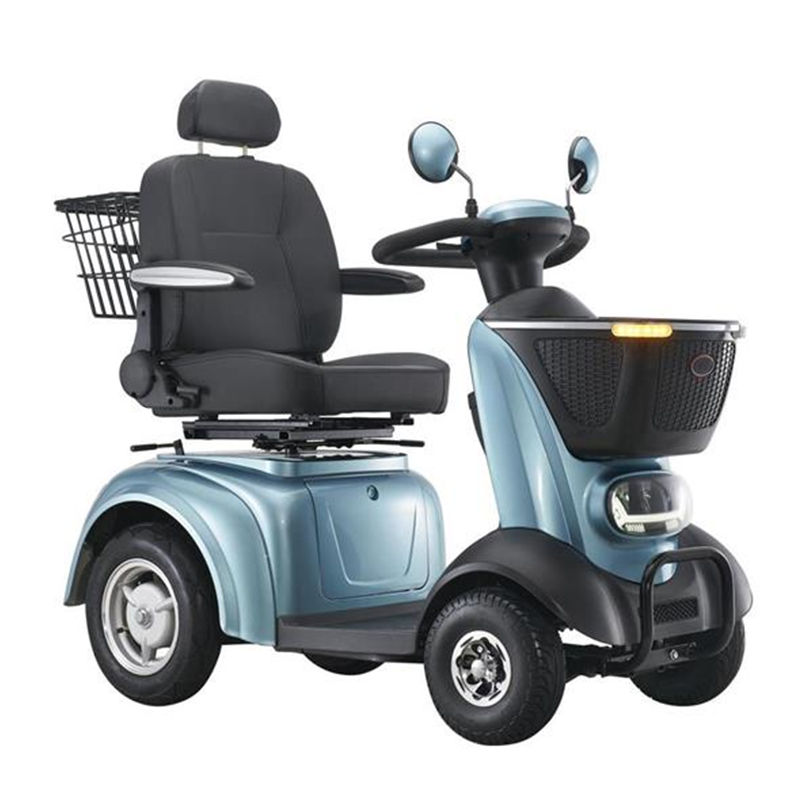
Why Traditional Mobility Scooters Are Struggling in Modern Cities
Older mobility designs were often built for limited environments such as medical facilities or short-distance indoor use. Today’s urban lifestyle demands far more flexibility.
Key limitations include:
- Heavy chassis difficult to lift into vehicles or public transport
- Limited storage compatibility in compact living spaces
- Reduced maneuverability in crowded urban streets
- Long charging cycles affecting daily independence
- Lack of adaptability for mixed indoor-outdoor use
These gaps are driving strong demand for redesigned lightweight systems.
How Lightweight Structural Engineering Improves Daily Travel
Modern mobility engineering focuses on balancing reduced weight with structural strength and long-term durability.
Key design advancements include:
- Aluminum alloy frames with high strength-to-weight ratio
- Foldable structure for quick storage in tight spaces
- Reinforced locking joints for repeated folding cycles
- Optimized frame geometry for stable riding balance
- Compact wheelbase design for indoor maneuverability
These improvements significantly enhance everyday usability.
Why Battery System Design Is Now a Key Buying Factor
Battery performance directly affects user independence, convenience, and travel confidence, making it a critical evaluation point.
Technical improvements include:
- Lithium-ion battery systems with stable discharge performance
- Battery management system (BMS) for overheat and overcharge protection
- Typical charging duration of 4–8 hours depending on configuration
- Detachable battery modules for flexible charging locations
- Energy-optimized output for extended daily travel range
These features support practical mobility in real-life conditions.
Safety and Compliance Are Becoming Global Requirements
As electric mobility devices become more common in public environments, safety and regulatory compliance are increasingly important.
Key safety features include:
- Electromagnetic braking system for controlled stopping performance
- Anti-slip tire design for wet, indoor, and uneven surfaces
- Adjustable speed modes for different user experience levels
- LED lighting systems for visibility in low-light conditions
- Reinforced frame tested for everyday impact resistance
Compliance with regional standards is now a major purchasing requirement.
What Buyers Evaluate When Choosing Mobility Manufacturers
Distributors and procurement teams are focusing more on long-term reliability and supply stability than on short-term pricing.
Key evaluation criteria include:
- Structural durability under repeated folding use
- Battery lifespan and replacement availability
- Motor stability under different load conditions
- Spare parts availability and after-sales support
- Certification compatibility across global markets
These factors strongly influence supplier selection decisions.
Application Scenarios Driving Market Growth
Lightweight mobility solutions are expanding across multiple real-world usage environments where portability is essential.
Common applications include:
- Elderly mobility support in residential communities
- Airport and travel assistance systems
- Shopping malls and large indoor complexes
- Short-distance urban commuting alternatives
- Rehabilitation and independent living support
Each application requires a balance of stability, comfort, and portability.
Lightweight Mobility Will Define the Next Stage of Urban Transport
As cities become more compact and sustainability expectations increase, demand for efficient and portable mobility solutions will continue to rise. Future innovation will focus on smarter battery systems, improved folding durability, and enhanced safety intelligence for real-world urban use.
For global distributors and procurement teams, selecting a reliable Lightweight Electric Mobility Scooter is no longer just a product decision—it is a strategic investment in user experience, market competitiveness, and long-term growth in the evolving personal mobility industry.