English
 Deutsch



+86-13857999108
As mobility scooters become an important solution for everyday transportation, users and distributors are paying more attention to the practical details beyond the vehicle itself. The right Mobility Scooter Accessories can address common challenges such as limited storage, changing weather, rider comfort, visibility, and carrying mobility aids. For overseas buyers, however, choosing accessories is not simply about adding more functions. Compatibility, mounting stability, material durability, ease of installation, and application-specific design all influence whether an accessory delivers real value in daily use.
Start With the User’s Actual Routine
A useful accessory should solve a specific problem rather than become an unnecessary add-on. Someone using a scooter for shopping may need a secure basket or rear storage bag, while a user travelling outdoors may place greater importance on weather protection and visibility.
For distributors and OEM buyers, understanding the intended application can also help create a more practical product range. Common requirements include:
- Storage for shopping and personal belongings
- Holders for canes or walking sticks
- Cushions and support accessories
- Mirrors, lights, and reflective components
- Weather covers and protective solutions
- Phone, cup, or small-item holders
This application-based approach makes it easier to select products that correspond with real purchasing needs.
Why Compatibility Should Come Before Appearance
One of the most important considerations when sourcing scooter accessories is whether the product fits the intended scooter structure. Accessories may need to connect to handlebars, armrests, seat frames, rear mounting points, or specific brackets. A product that looks suitable but does not match the mounting dimensions can create installation difficulties and affect stability.
Current buyer guidance also emphasizes checking mounting systems, dimensions, and model compatibility before purchasing accessories.
For manufacturers, this means compatibility should be considered during product development rather than treated as a final packaging detail.
Storage Design Needs More Than Extra Capacity
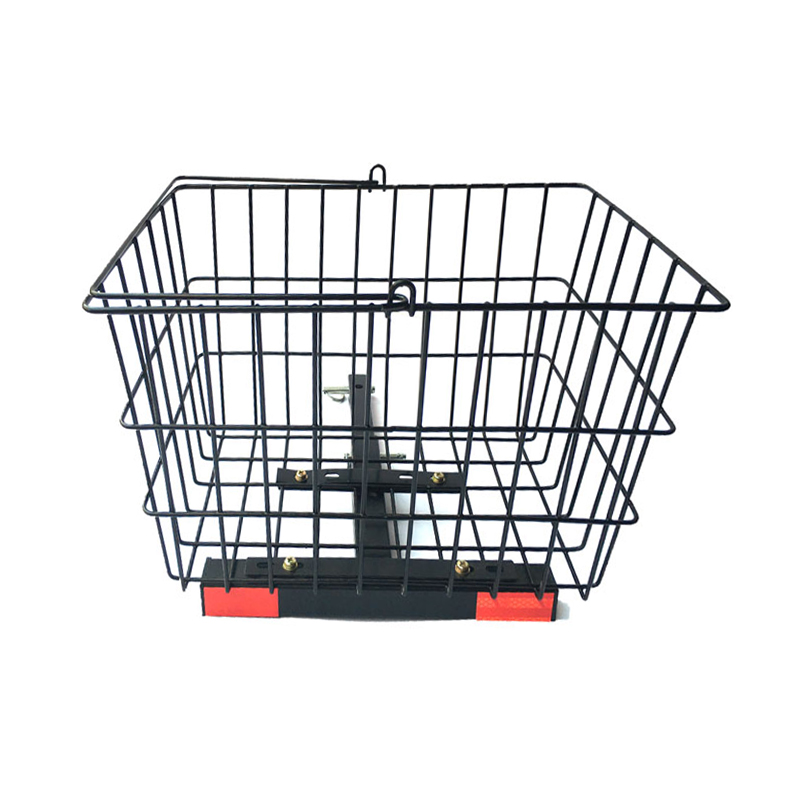
Baskets, rear bags, and side storage products are among the most practical scooter accessories, but storage design must also consider weight distribution and attachment security. Adding a larger storage area does not automatically make an accessory more useful.
A well-designed storage accessory should keep frequently used items accessible while maintaining a secure connection with the scooter. The structure should also avoid interfering with steering, seating, folding mechanisms, or other moving parts.
For bulk buyers, details such as mounting hardware, material selection, water resistance, zipper quality, and load-bearing design can influence customer satisfaction and return rates.
Comfort Becomes More Important on Longer Trips
Comfort accessories can influence how easily users adapt a scooter to their daily routine. Seat cushions, back supports, armrest accessories, and ergonomic covers are increasingly discussed alongside storage and safety products because users may spend extended periods on their scooters.
The objective is not simply to make the seat softer. Cushion thickness, surface material, ventilation, shape, and attachment method should work together without interfering with the original seating structure.
For manufacturers, offering different material and design options can help distributors develop accessory ranges for different markets and scooter categories.
Outdoor Accessories Must Handle Changing Conditions
Outdoor mobility introduces another set of requirements. Rain, sunlight, dust, temperature changes, and repeated handling can affect accessory performance over time. Weather covers, reflective components, protective bags, and visibility accessories therefore need materials and construction methods suited to their intended environment.
Recent overseas accessory guides continue to highlight weather protection and visibility as practical priorities for scooter users.
For international buyers, material consistency and product testing are particularly important because accessories may be sold across different climates and usage conditions.
Designing for Easy Installation and Maintenance
An accessory may have good materials and attractive styling, but complicated installation can reduce its commercial value. Users and dealers generally benefit from products that can be attached securely without unnecessary modification to the scooter.
Manufacturers can improve usability through:
- Clear mounting structures — Reduce installation uncertainty.
- Replaceable components — Make routine maintenance easier.
- Secure fasteners — Help prevent movement during operation.
- Accessible adjustment points — Allow the accessory to accommodate different users or scooter configurations.
This design philosophy is also useful for distributors because easier installation can reduce after-sales questions and service requirements.
Building Flexible Accessory Solutions for Global Buyers
For an OEM-oriented manufacturer, the challenge is not simply producing individual accessories. It is developing products that can be adapted to different scooter models, market requirements, and usage environments. Jinhua Easyway Technology Co., Ltd. can focus on this approach by combining product development, manufacturing capability, and application-oriented design to support overseas distributors and equipment buyers.
The market for Mobility Scooter Accessories is moving toward practical customization rather than accessories added purely for appearance. By paying attention to compatibility, storage, comfort, weather resistance, installation, and everyday usability, manufacturers can create products that are easier for distributors to introduce and more useful for end users. For international buyers seeking dependable OEM and private-label solutions, application-focused development provides a stronger foundation for long-term product cooperation.