English
 Deutsch



+86-13857999108
As mobility scooters are used across urban streets, residential areas, shopping centers, and shared outdoor spaces, visibility and practical safety have become important considerations in accessory development. For distributors and OEM buyers, Mobility Scooter Accessories should do more than add convenience; they can also support better visibility, easier access to essential items, and a more organized riding experience. For Jinhua Easyway Technology Co., Ltd., understanding these application requirements helps turn accessory development into a more practical product-design process for overseas mobility equipment markets.
Visibility Is Part of Everyday Usability
Mobility scooters may operate around pedestrians, bicycles, vehicles, and other moving equipment. Accessories such as reflective elements, lighting brackets, mirrors, and visibility aids can therefore be useful additions when they are properly integrated into the scooter structure.
The design should avoid creating new obstructions. A mirror, light holder, or reflective component needs to remain securely positioned without interfering with the rider's controls or field of view.
For manufacturers, the key consideration is not simply adding a visible component. Its position, mounting method, adjustment range, and durability all influence whether it remains useful during regular operation.
Accessory Placement Can Affect Rider Awareness
An accessory mounted too close to the handlebars or control area may interfere with normal operation. Similarly, oversized storage products can reduce visibility around the rear or sides of the scooter.
This makes placement an important engineering consideration. During product development, manufacturers can evaluate:
- Distance from steering and control components
- Rider's line of sight
- Clearance around wheels and moving parts
- Accessibility while seated
- Stability during movement
These details are particularly relevant for OEM customers developing accessories for different scooter configurations.
Lighting Accessories Need Practical Integration
Lights and light-related accessories are increasingly considered for users who travel during lower-light conditions. However, simply adding a lamp does not guarantee a practical solution.
The mounting structure should keep the light stable while allowing appropriate positioning. Wiring, battery access, switch location, and protection from normal outdoor exposure may also need to be considered depending on the product design.
For distributors, easy installation can be equally important. An accessory that requires complicated modifications to the scooter may increase installation time and create additional after-sales service requirements.
Mirrors and Holders Require Stable Mounting
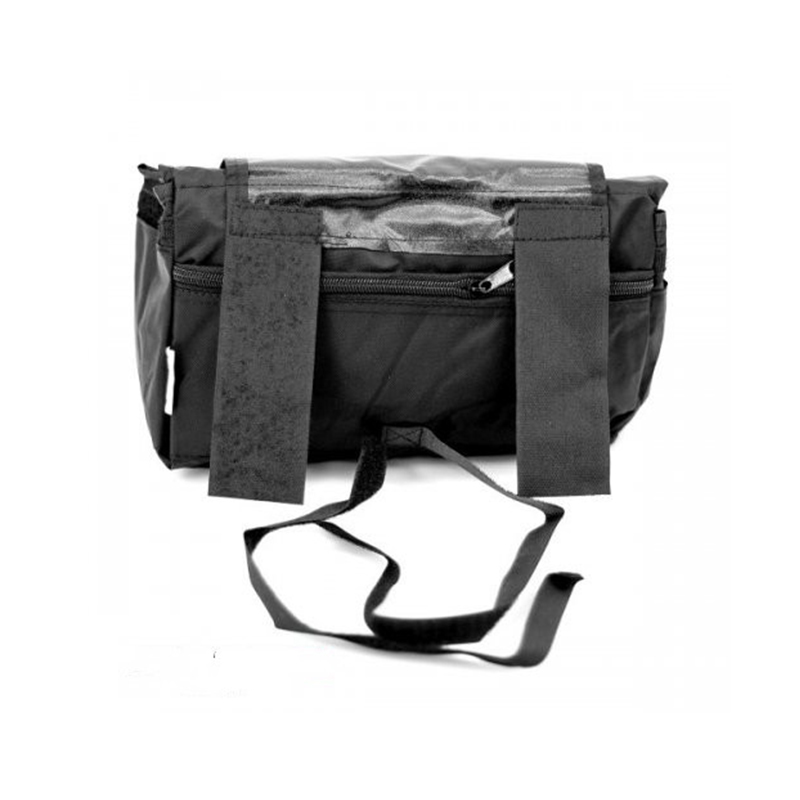
Rear-view mirrors and holders for phones, canes, or other personal items are small components, but their mounting structures can have a noticeable effect on usability. Movement or vibration during operation can make an otherwise useful accessory difficult to use.
A reliable mounting system should maintain its position while allowing reasonable adjustment. Materials and fasteners should also correspond with the expected operating environment.
For an OEM manufacturer, this means the bracket should be treated as part of the complete accessory rather than as a secondary component. The connection between the accessory and scooter frame deserves the same attention as the visible product itself.
Convenience Should Never Block Essential Controls
One of the challenges in accessory design is finding the right balance between convenience and accessibility. A larger organizer may offer more storage but could interfere with the user's knees or steering area. A phone holder positioned too low may be difficult to see, while one positioned too high could obstruct the rider's view.
A practical design keeps frequently used items accessible while preserving the original operating functions of the scooter.
This is why accessory development should begin with the user's seated position and normal movement patterns rather than relying only on the external dimensions of the scooter.
Different Scooter Models Need Flexible Solutions
Mobility scooters vary considerably in frame structure, seat configuration, handlebar design, and available mounting points. An accessory developed for one model may not automatically provide the same installation experience on another.
For international buyers, adjustable brackets and adaptable mounting structures can make product ranges easier to distribute across different scooter categories. Jinhua Easyway Technology Co., Ltd. can develop products with the specific application and installation environment in mind, helping overseas buyers address different product requirements through OEM-oriented manufacturing.
Designing Accessories Around Real Riding Conditions
The development of Mobility Scooter Accessories should consider how users actually interact with their scooters rather than focusing only on appearance or additional features. Visibility, mounting stability, control clearance, accessibility, and installation convenience can all influence the practical value of an accessory.
For Jinhua Easyway Technology Co., Ltd., an application-driven manufacturing approach provides a foundation for supporting distributors, OEM buyers, and mobility equipment businesses with adaptable product solutions. By combining functional design with suitable materials and practical mounting structures, manufacturers can create accessories that contribute to a more organized, visible, and user-friendly mobility experience.